SkyTeam Alliance: The Complete 2026 Guide
SkyTeam in 2026: the live member roster, Elite and Elite Plus benefits, where Flying Blue and Delta fit, and how to use the alliance effect…
Read article →oneworld has become a much cleaner alliance story than many older guides suggest. The network is still smaller than Star Alliance on raw breadth, but in 2026 it remains one of the strongest homes for premium travellers who care about long-haul quality, reciprocal lounge access, and the ability to mix excellent airlines with a handful of genuinely useful loyalty currencies.
The problem is that a lot of oneworld content on the internet is stale. It misses current members, repeats old branding, or talks about the alliance as if it were unchanged from the Cathay-British Airways-American era. That is no longer good enough. Fiji Airways is now a full member. Oman Air is now a full member. Alaska is fully inside the alliance conversation. And the best way to use oneworld in 2026 is less about memorising every member and more about picking the right programme for your geography and earning pattern.
Updated April 26, 2026: Current membership and alliance-benefit details were checked against live oneworld public pages. If a specific airline changes its individual baggage or seating policy, the operating carrier's rules override alliance-level summaries.
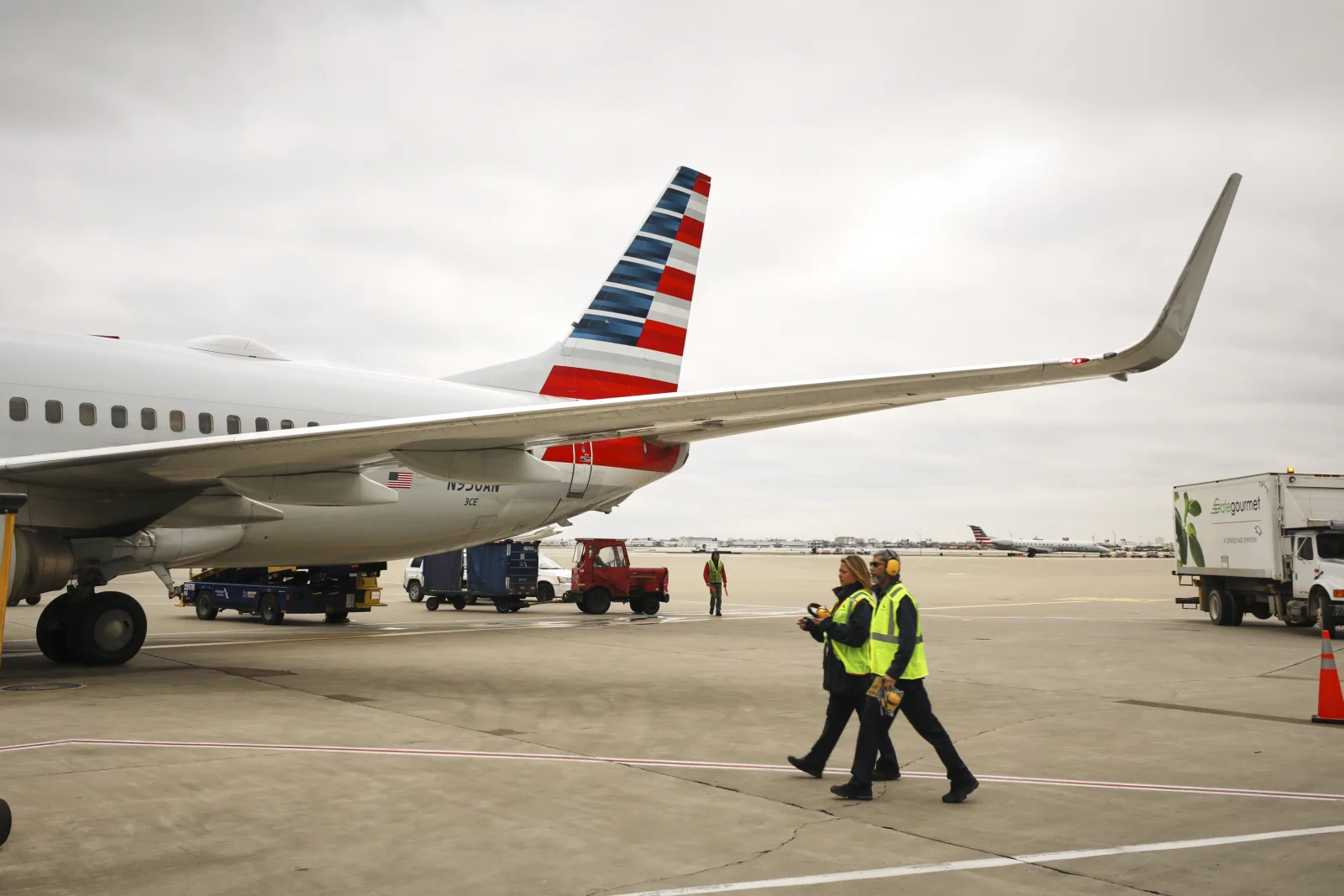
oneworld is strongest when you value quality over absolute network sprawl.
As of April 22, 2026, oneworld public materials list these 15 member airlines:
The alliance says its network now serves more than 900 destinations in 170 territories, a figure repeated in current oneworld network expansion communications. That is the headline number, but the more important shift is strategic reach. Fiji strengthens the South Pacific and gives the alliance another long-haul island gateway. Oman Air deepens Gulf and Indian Ocean coverage. Alaska gives oneworld a much more relevant West Coast and North America feed story than older alliance maps implied.
There is also one correction every current guide should make plainly: S7 remains suspended. Any article counting S7 as a normal current member is outdated.
oneworld has three reciprocal alliance tiers: Ruby, Sapphire, and Emerald. These benefits sit on top of the status you hold with a member-airline frequent-flyer programme.
Ruby is the entry point. It usually brings business-class priority check-in, preferred or pre-reserved seating where the operating airline allows it, and better priority on waitlists and standby. It is useful, but not transformational.
Sapphire is where oneworld starts to feel powerful. Current oneworld benefit pages describe business-class lounge access, business-class priority check-in, priority boarding, extra checked baggage, and priority baggage handling. For many travellers, Sapphire is the optimal tier because it delivers the airport experience improvements people actually notice on every trip.
Emerald is the premium tier. It adds access to first- and business-class lounges on eligible itineraries, first-class priority check-in, fast-track or priority-lane access at select airports, priority baggage handling, extra baggage, priority boarding, preferred seating, and stronger waitlist priority. For travellers who pass through major alliance hubs often, Emerald can materially reduce airport friction. American's Chelsea Lounge at JFK is the current flagship example of what an Emerald-tier experience can look like at a hub.
There are still exceptions, and oneworld is explicit about that. British Airways, for example, remains the big caveat point on some baggage and lounge nuances. The alliance gives the framework; the operating airline still controls the exact frontline experience.

All alliances promise seamlessness. oneworld's edge is that a high proportion of its key members are airlines people actively want to fly, not just airlines they tolerate for coverage.
Qatar Airways, Japan Airlines, Cathay Pacific, Finnair, Oman Air, and Qantas all matter because they combine strong hard product, respectable service reputations, and alliance utility. American and Alaska matter because they give the alliance North American relevance. British Airways and Iberia matter because they keep the transatlantic and European machine moving, even if their individual loyalty economics are not always beloved.
That mix creates a very workable alliance for premium-cabin travellers. You can earn with one programme, hold status in another, and still consume benefits across several airlines that are genuinely competitive on board.
This is the real question. oneworld itself is not the currency. Your choice of frequent-flyer programme determines how easy status is to earn, how painful surcharges become, and where redemption value hides.
American remains one of the most strategically important oneworld programmes because it is still relevant for North American travellers, has broad partner utility, and uses Loyalty Points rather than pure butt-in-seat flying as the status framework. That makes it more adaptable than some rivals if your earning mix includes cards and partners rather than just paid flights.
Alaska is compelling for travellers who can actually use its network or its West Coast positioning. It also matters because Alaska's alliance role is no longer theoretical. It is part of the current oneworld member roster and gives the alliance more practical utility for U.S.-based travellers than older guides acknowledged.
British Airways Club, Iberia Plus, Finnair Plus, and Qatar Airways Privilege Club all sit inside the broader Avios ecosystem. That matters because Avios can be flexible for short-haul redemptions, intra-Europe usage, and targeted partner opportunities. It also matters because an Avios strategy lets you move within a family of programmes instead of living with one pricing logic forever. The Avios family ecosystem is well documented in current independent guides.
Cathay Pacific's Asia Miles remains relevant for Hong Kong-centred travellers and for readers who value multi-carrier planning. It is not the easiest programme for every beginner, but it remains part of the alliance's intellectual centre of gravity because it fits complex, premium, Asia-facing travel better than many mainstream U.S. readers assume. Independent comparisons of partner programmes inside oneworld are well covered by The Points Guy's oneworld programme breakdown.
The alliance does not have one redemption philosophy. That is exactly why generic oneworld advice is often unhelpful.
When travellers say they want to "redeem on oneworld", what they really mean is that they want access to the oneworld network while paying with the most favourable member programme for that itinerary. Sometimes that is AAdvantage. Sometimes that is an Avios-based programme. Sometimes it is Asia Miles. The alliance gives you the inventory relationship; the programme you choose determines whether the price is elegant or painful.
oneworld redemptions evolve constantly. Route economics change, surcharges change, and certain premium-cabin awards become harder or easier to access. The smart lesson in 2026 is not to memorise a static table from a blog post. It is to understand which programme families are worth checking first for your own geography.
oneworld remains culturally linked to round-the-world travel, and for the right traveller a complex multi-carrier itinerary can still make sense. But this is no longer a mainstream play for most readers. If you are considering it, you should approach it through the pricing rules of the specific programme you plan to use, not through vague alliance nostalgia.
oneworld in 2026 is best understood as a quality-first alliance with a current 15-airline roster, more than 900 destinations in 170 territories, and a frequent-flyer ecosystem that rewards strategic programme choice more than blind loyalty. Its value is not just in the airlines you can fly. It is in the ability to decide which programme you want to earn with, which benefits you want to hold, and which alliance members you most want to consume.
If you want one simple takeaway, make it this: hold the right programme, aim for Sapphire unless you know why you need Emerald, and stop using old alliance maps. oneworld is better in 2026 than many stale guides make it look.
Programme rules verified against the official sources below. External sites open in a new tab.
Miles Mosaic gives you a clean dashboard for all your loyalty programmes: flights, hotels, and status progress.
Get started freeShare
Last reviewed: · How we research and update
SkyTeam in 2026: the live member roster, Elite and Elite Plus benefits, where Flying Blue and Delta fit, and how to use the alliance effect…
Read article →Star Alliance in 2026: the live 25-airline roster, Silver and Gold benefits, the best programmes to hold, and how to use the alliance witho…
Read article →American AAdvantage in 2026: Loyalty Points, status thresholds, Loyalty Point Rewards, systemwide upgrades, and where the programme still s…
Read article →