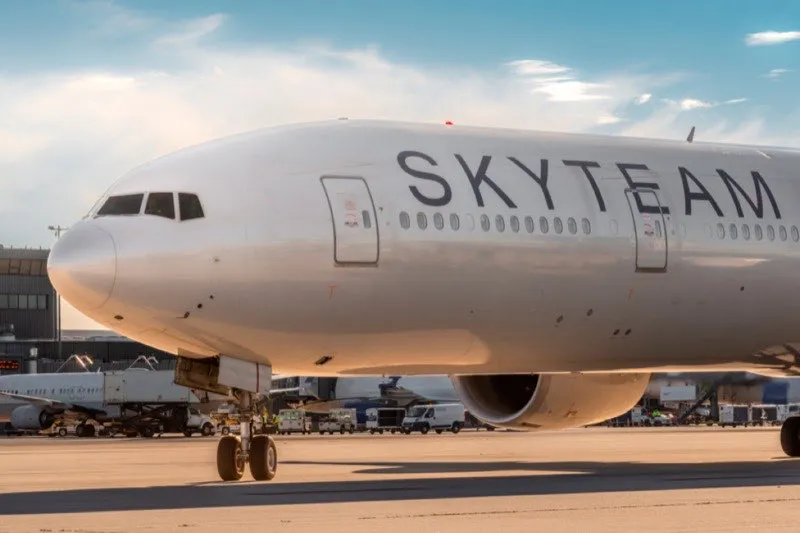
SkyTeam Alliance: The Complete 2026 Guide
SkyTeam in 2026: the live member roster, Elite and Elite Plus benefits, where Flying Blue and Delta fit, and how to use the alliance effect…
Read article →Independent Miles Mosaic guide. No programme partnerships, no account linking, no scraped balances. Sources cited below; corrections welcomed.
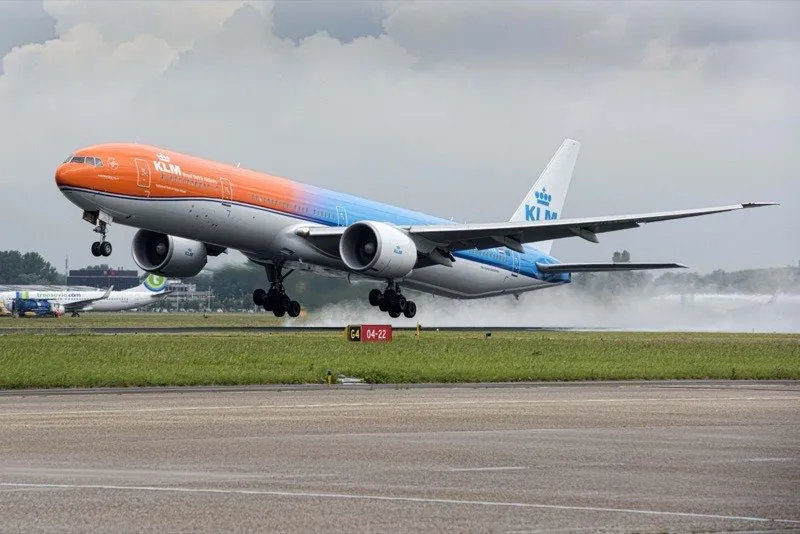
Flying Blue is one of the rare airline programmes that still manages to feel both mainstream and strategically interesting. It is large enough to matter, easy enough to explain, and flexible enough to reward travellers who pay attention without demanding the sort of loyalty-programme obsessiveness that turns most normal people away.
That does not mean it is simple in the old-fashioned sense. Flying Blue in 2026 is not a fixed-chart museum piece. But it remains one of the smartest airline currencies to understand because it combines strong Air France-KLM relevance, useful SkyTeam access, a clear XP-based status ladder, and Promo Rewards that can still create genuine moments of outsized value.
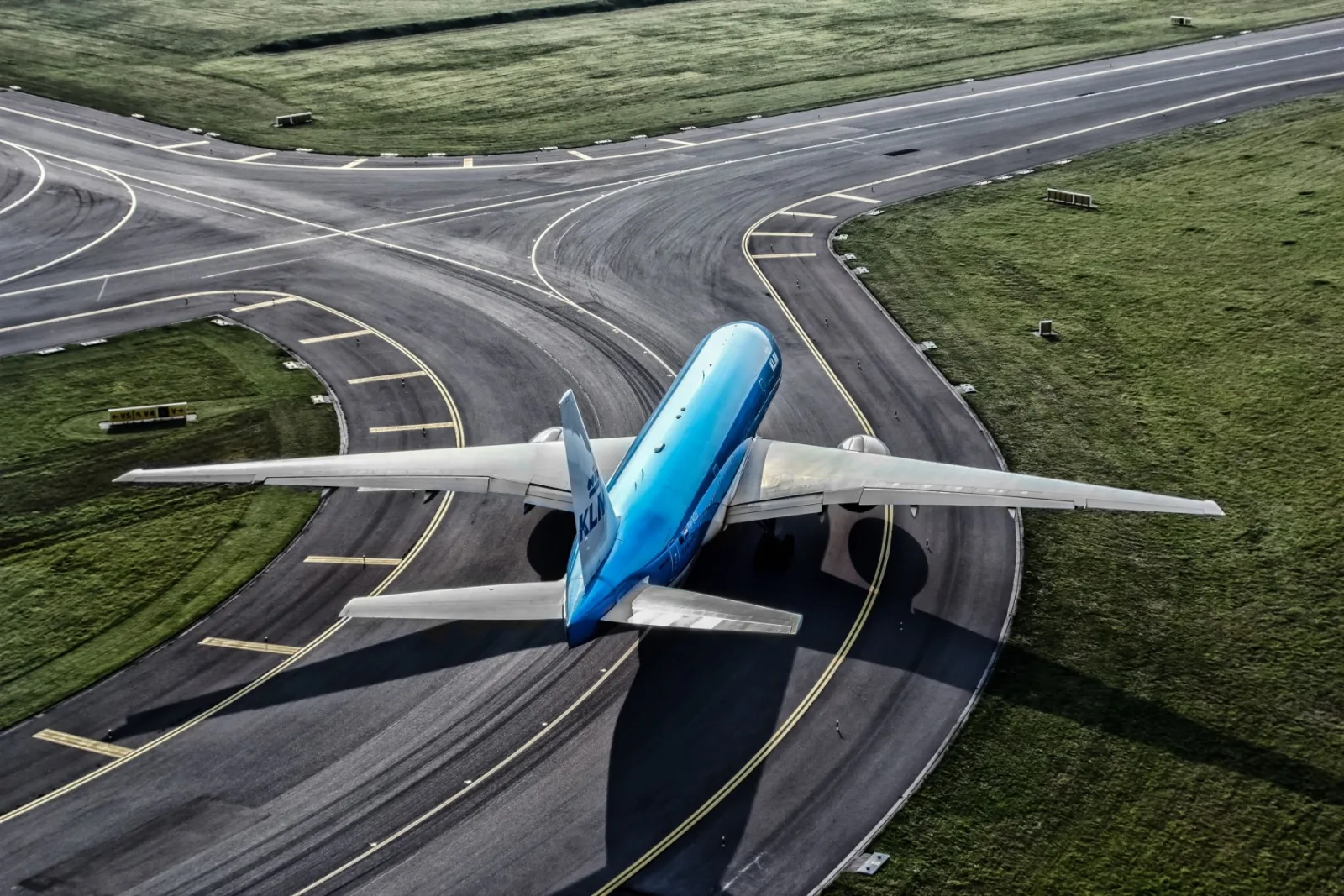
Flying Blue status is built around Experience Points, or XP, rather than a simple dollars-spent number or an old distance-based system. Current official Flying Blue materials describe the ladder like this:
Ultimate is the invitation-style top tier above Platinum, and the qualification mechanic is different: UXP is earned only on Air France and KLM-operated metal, not on partner carriers. Reaching Ultimate also does not reset the qualification year the way climbing through Silver, Gold, or Platinum does. It sits as a layer on top of Platinum rather than a new ladder step.
Current Air France Flying Blue pages also explain the rolling logic clearly. Your qualification period begins once you first earn Miles or XP. If you upgrade within that period, the qualification clock resets from the month of the upgrade. Up to 300 XP rolls over into your next qualification year if you exceed your tier's threshold, a feature that materially helps members who travel heavily in one window and quietly in the next. That is one reason the programme feels more understandable than many rivals. It is easier to see where you are and what the next useful step looks like.
Current Flying Blue materials describe the earning and airport treatment by tier in fairly plain language.
That is why Gold matters so much. Silver is useful. Gold is the point where the programme becomes truly felt in the airport.
XP is not perfect, but it has two big advantages. First, it is easy to explain. Second, it is structurally better aligned with actual travel behaviour than many status models that become unreadable once co-branded-card bonuses and multiple earn types are layered in.
You fly. You earn XP based on route and cabin. You climb the ladder. That clarity is a real competitive advantage in a loyalty market that often seems designed to confuse rather than guide.
If XP is the status engine, Promo Rewards are the redemption engine that keeps Flying Blue interesting to people who are not necessarily trying to become elite. They are the reason the programme still deserves regular attention even if you are not deeply committed to Air France-KLM year-round.
Promo Rewards are not magical. They are targeted, route-dependent, and time-sensitive. But they are one of the clearest reasons Flying Blue remains strategically important. In a world where award pricing is often dynamic and messy, a recurring discount mechanism gives the programme an identity many rivals lack, analysts at The Points Guy regularly highlight Promo Rewards as one of the most reliable transatlantic award levers still in market.
Current Air France materials explain Flying Blue's basic earning rates simply: Explorer earns 4 miles per euro spent, Silver earns 6, Gold earns 7, and Platinum earns 8. That makes the programme easy to model when you are flying Air France or KLM directly.
Air France's current Flying Blue overview says miles remain valid for life as long as you take an eligible flight at least once every two years. That is one of the more consumer-friendly framing points in the programme, though serious members should still verify the exact live terms if their activity pattern changes.
The big correction modern Flying Blue guides need is this: do not teach the programme as if a tidy fixed public award chart still controls the whole experience. It does not. A good Flying Blue strategy in 2026 is about live pricing, Promo Rewards, route flexibility, and timing.
If you regularly connect via Paris Charles de Gaulle or Amsterdam Schiphol, Flying Blue is naturally relevant. It is not just an abstract points currency. It is the home programme for a very large and useful part of the Europe-U.S. and Europe-worldwide travel map.
Flying Blue is still the programme that most often makes SkyTeam feel strategically coherent. Delta is powerful but more domestically skewed and more aggressively dynamic. Flying Blue is where the alliance often becomes intelligible for international travellers, the SkyTeam SkyPriority experience is most visible at AF/KL hubs.

Because the tier ladder is easy to understand and Gold is such a meaningful tier, Flying Blue status can feel more attainable and more rational than status in some rival programmes. European loyalty observers at Head for Points have consistently rated Flying Blue Gold as one of the better-value mid-tier alliance statuses available today.
Flying Blue rewards people who monitor the programme. Promo Rewards matter only if you notice them. Dynamic pricing can only be navigated if you search more than one date and more than one routing pattern.
Some travellers hear "Flying Blue sweet spots" and imagine permanent bargains on demand. That is not how modern airline loyalty works. What Flying Blue gives you is a live tactical edge, not a guarantee.
Promo Rewards are the most distinctive feature of Flying Blue, and the discipline of using them rewards a few minutes a month rather than full-time obsession. Flying Blue refreshes the offer list at the start of each calendar month and discounts typically run between 20% and 30% off saver award levels, with travel windows usually extending five to six months past the booking month.
To make this concrete, the AwardWallet May 2026 Promo Rewards roundup documents the current cycle. Live examples worth noting:
The May 2026 promotion runs for booking through May 31, 2026, with travel valid through October 31, 2026. Historically, the most consistently strong Promo Rewards months have been late winter and early spring, when transatlantic premium-cabin discounts often layer on top of better award availability. Coverage from One Mile at a Time and Prince of Travel tracks each month's release in detail.
The trap to avoid is treating Promo Rewards as a permanent discount. They are route-specific and bookable only during the listed window. A premium-economy seat that is 30,000 miles in May at a Promo discount may revert to the 40,000-mile saver floor in June.
One reason Flying Blue matters far more to U.S.-based travellers than its modest North American flight footprint would suggest is that nearly every major flexible U.S. points programme transfers to it at 1:1. That is a level of accessibility no other transatlantic airline currency matches.
The current major transfer-in partners are:
For a U.S.-based traveller who holds even one mainstream flexible-points credit card, Flying Blue is realistically within reach without ever flying Air France or KLM. The detailed transfer mechanics at AwardWallet and the rotating partner bonus tracker at The Points Guy are both worth bookmarking. Transfer bonuses, when they appear, regularly cut effective costs by 20-30% and are one of the cleanest ways to turn flexible points into transatlantic premium-cabin seats.
Flying Blue is not immune to devaluation, and a complete guide should be honest about its track record. The programme made two material adjustments in the past three years that travellers should remember when planning:
The 2022 reset ended the old fixed award chart entirely in favour of dynamic pricing, with floor prices set per route and cabin. The January 2025 adjustment raised those floor prices by roughly 25% in economy, premium economy, and business class. Saver economy to Europe moved from 20,000 to 25,000 miles each way at the new floor, premium economy from 32,500 to 40,000, and business class from 50,000 to 60,000. The Frequent Miler analysis captured the magnitude at the time.
So far in 2026, Flying Blue has been quiet. Floor prices have held, Promo Rewards have continued, and SkyTeam partner award visibility has actually improved with calendar-view enhancements that now expose Delta and Virgin Atlantic award space alongside Air France and KLM. That stability matters, but it is not a guarantee. The pattern of devaluations every 18-24 months suggests members holding large balances should treat any meaningfully sized Flying Blue mileage hoard as something to redeem rather than warehouse.
One detail worth flagging for anyone treating Flying Blue as a SkyTeam catch-all: Korean Air partner-award pricing through Flying Blue is genuinely hostile. Korean Air business class from North America to Seoul prices well above what the same award costs through Korean Air's own SKYPASS programme, and the better way to access Korean Air premium cabins from a U.S. transfer currency is usually Delta SkyMiles or, where available, Virgin Atlantic Flying Club. Flying Blue can technically book Korean Air, but the rates are punitive enough that it should be a last resort rather than a planned redemption path.
Flying Blue remains one of the smartest airline programmes to learn in 2026 because it is useful in both directions: for status and for redemptions. Current official materials show a clear XP ladder, meaningful Gold and Platinum benefits, miles that remain alive with qualifying activity, and a Promo Rewards mechanism that keeps the programme relevant even in an era of dynamic pricing.
If you want one modern loyalty programme that still rewards attention without becoming impossible to explain, Flying Blue remains near the top of the list.
Programme rules verified against the official sources below. External sites open in a new tab.
See your requalification forecast in under a minute. No account, and never a loyalty password.
Forecast my status, free →Share
Last reviewed: · How we research and update
SkyTeam in 2026: the live member roster, Elite and Elite Plus benefits, where Flying Blue and Delta fit, and how to use the alliance effect…
Read article →Delta SkyMiles in 2026: MQD-led Medallion status, earning and redeeming miles, where dynamic pricing changes strategy, and what Delta still…
Read article →Flying Blue's paid regional status match for 2026: eligible countries, fees, tier mappings, approval timing, and whether Gold or Platinum i…
Read article →Lufthansa Miles & More 2026: the modern Points, Qualifying Points, and HON Circle system, current status thresholds, and why the programme …
Read article →