oneworld Alliance: The Complete 2026 Guide
oneworld in 2026: the live 15-member roster, Ruby, Sapphire and Emerald benefits, the best frequent-flyer programmes to hold, the strongest…
Read article →Independent Miles Mosaic guide. No programme partnerships, no account linking, no scraped balances. Sources cited below; corrections welcomed.
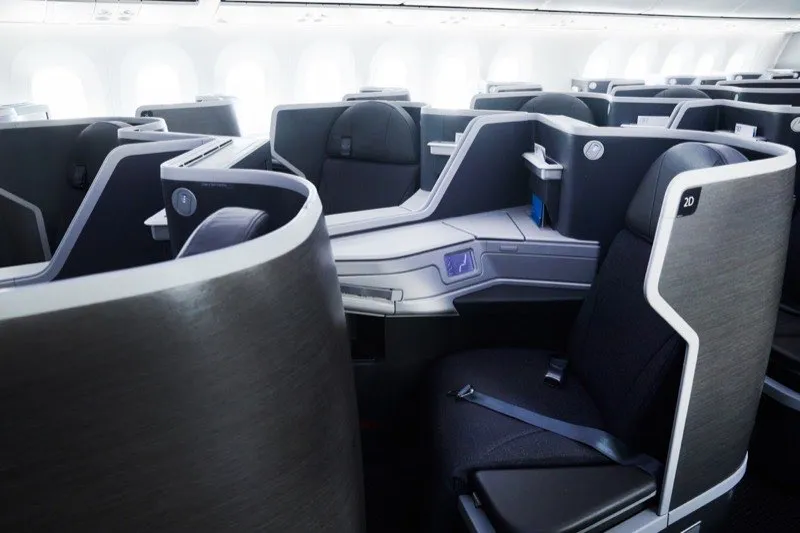
AAdvantage in 2026 is a very different programme from the American Airlines loyalty model many travellers still carry in their heads. If you are still thinking in terms of legacy flight counters, elite qualifying dollars, and systemwide upgrades as a simple top-tier entitlement, you are reading an old programme through a modern interface.
The current AAdvantage story is about Loyalty Points. That change is now mature enough that it should be treated as the centre of the programme, not as a recent disruption. Status is built around Loyalty Points, rewards are layered into Loyalty Point Rewards, and American has created a system that lets everyday partner activity matter in a way older airline status models rarely did.
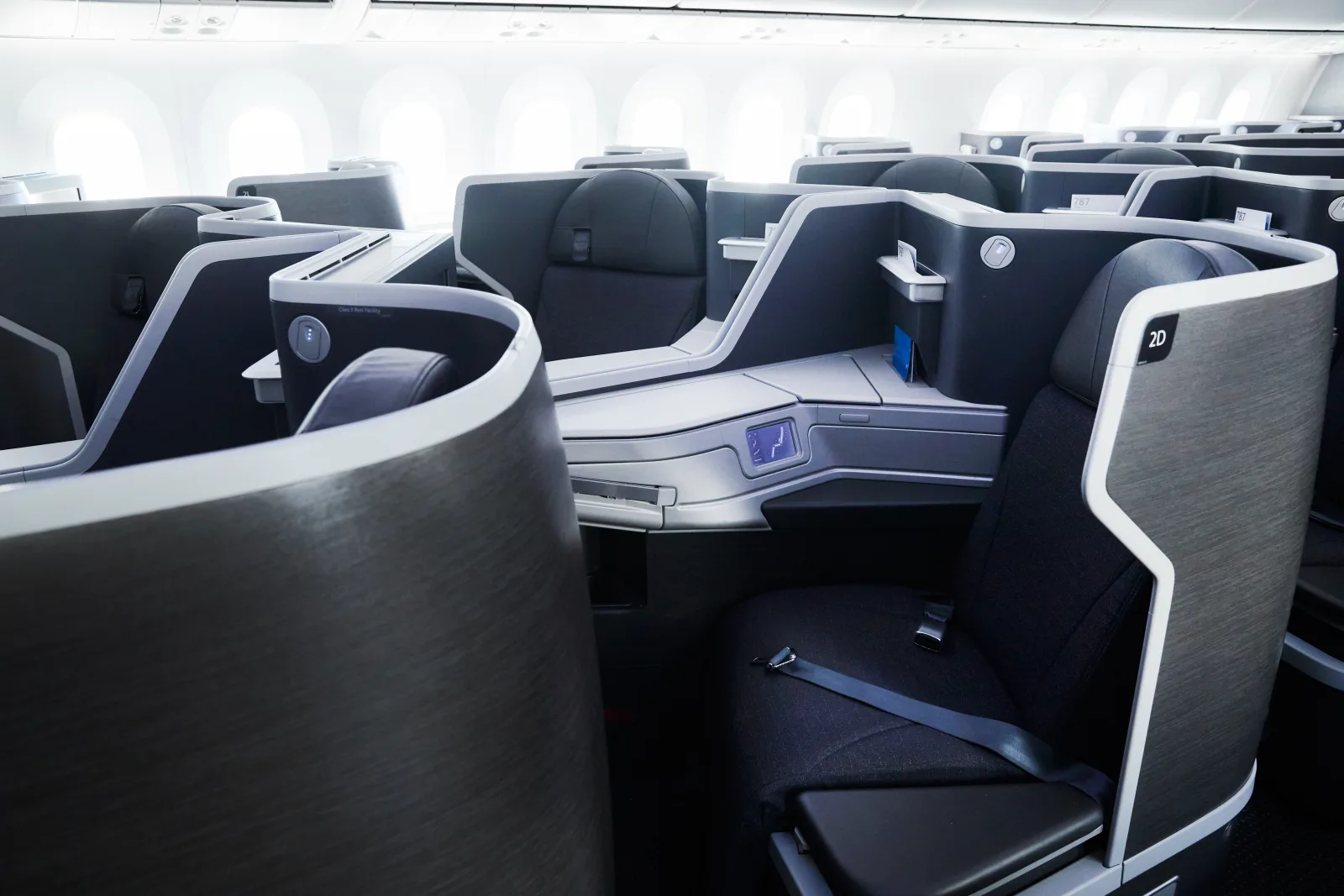
Current American Airlines public materials describe status qualification through Loyalty Points earned during a 12-month period starting on March 1 each year and running through the end of February the following year.
The current publicly shown thresholds are:
That single change is why AAdvantage remains strategically important. It is no longer a programme where status is reserved mainly for people who do all their work travel on one carrier. If you can generate eligible AAdvantage miles through the right mix of partners and cards, you can generate Loyalty Points too.
American's FAQ explains the system plainly: as you earn eligible AAdvantage miles, you also earn Loyalty Points. That means the programme can reward not only flights, but also everyday and partner activity that feeds the AAdvantage ecosystem.
In practical terms, that makes AAdvantage more adaptable than many rival airline programmes. Delta is now heavily MQD-led. United remains closely tied to PQP logic. American gives many travellers a broader path to relevance, especially if their spending and partner behaviour is richer than their actual paid flying volume. Industry research from IdeaWorks consistently flags the AAdvantage non-flying earn shift as one of the most significant US loyalty design changes of the past five years.
Gold is the entry point into a more useful airport experience. It brings better boarding, checked-bag value, and a foothold in the upgrade and seating hierarchy. It matters, but mostly as an introduction rather than an endpoint.
Platinum is often the first status level where the programme begins to feel genuinely material for frequent but not ultra-heavy travellers. It improves earning, seating, and upgrade priority while keeping qualification far below the truly top-end tiers.
Platinum Pro is where the oneworld alliance angle gets more interesting for many readers and where American's airport benefits start to feel more premium. Current public status snippets highlight stronger upgrade timing, more baggage allowance, and better seating treatment, and at this point you reach oneworld Emerald recognition across partner airlines, the alliance's top tier, after American upgraded Platinum Pro from Sapphire.

Executive Platinum remains the prestige tier most travellers think about first, but the smarter 2026 question is not whether it is good. It is whether you need it. For many travellers, AAdvantage is more compelling at the middle and upper-middle ranges than as a pure top-tier obsession.
One reason older AAdvantage guides age badly is that they underplay Loyalty Point Rewards. That is now a core part of the programme's value structure.
Current American public pages describe reward milestones beginning below full status levels and continuing well beyond Executive Platinum qualification. Examples currently shown include:
That is the second major correction many articles still need. Systemwide upgrades now belong in the Loyalty Point Rewards framework. They are not best described as an automatic simple Executive Platinum entitlement.
This is still an airline programme. Flying American and eligible partners remains an important source of miles and Loyalty Points.
Current American materials highlight eligible activity from partner channels such as AAdvantage eShopping, AAdvantage Dining, AAdvantage Hotels, AAdvantage Cruises, American Airlines Vacations, and SimplyMiles. That is not trivia. It is how many members build relevance in the programme without living on airplanes, and outside analysts at The Points Guy have repeatedly highlighted the partner-earning paths as the programme's clearest differentiator.
American's public FAQs repeatedly point members toward card-earned miles and the timing of when those Loyalty Points post. That makes the programme particularly interesting for readers who can feed it through everyday spend and partner engagement, not just ticket purchases. Trade publications such as AwardWallet have likewise documented how aggressively the Loyalty Points framework rewards card-spend behaviour relative to legacy elite-mile programmes.
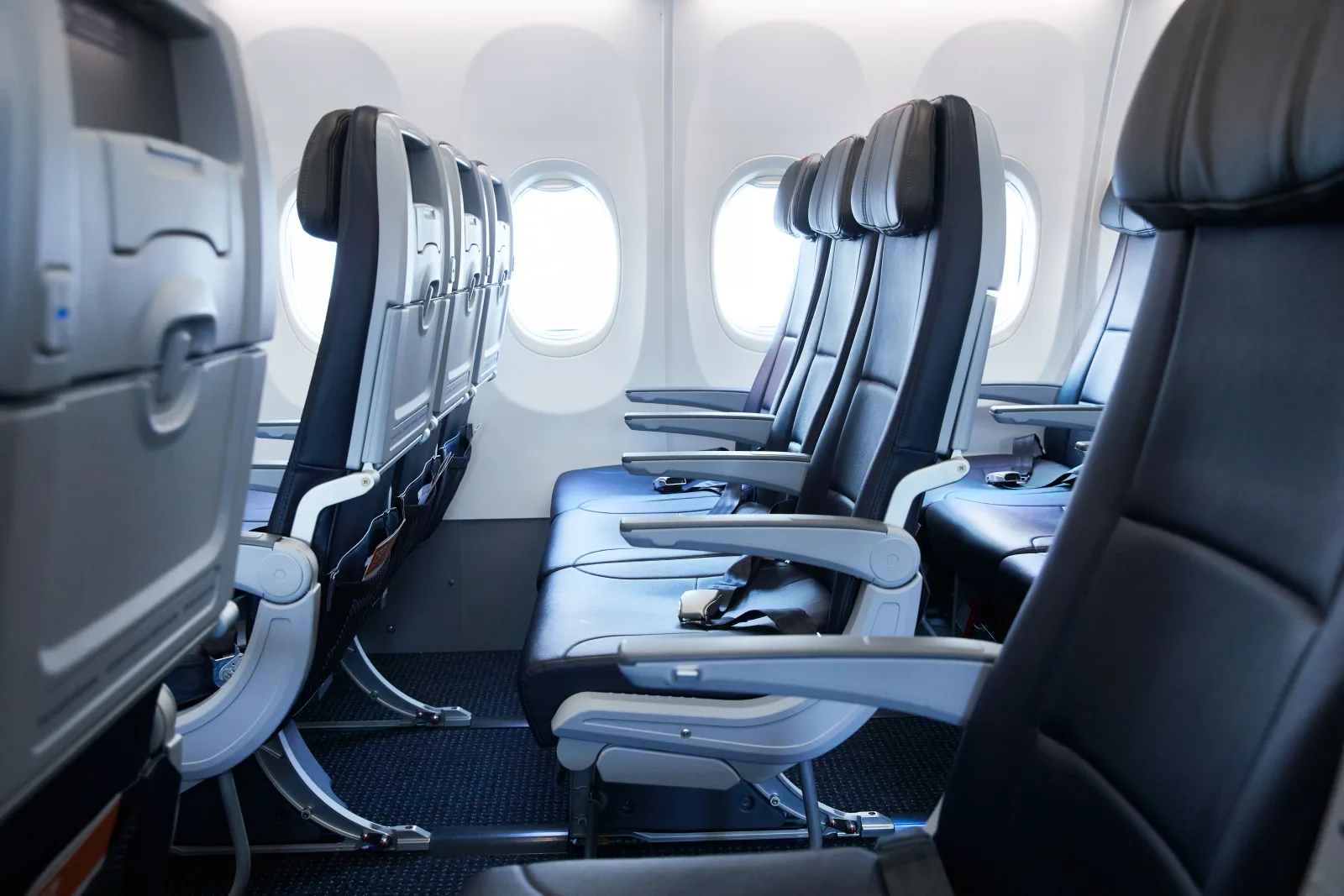
AAdvantage remains one of the most important programmes inside the oneworld alliance because it combines alliance relevance with a status framework that is more flexible than simple flight counting. If you want a major oneworld home and you value status through both travel and partner activity, American stays near the top of the list.
Some airline programmes make you chase status and then ask you to care about little else. American gives you a second incentive structure through Loyalty Point Rewards. That creates more decision points and, for engaged members, more reasons to care.
For U.S.-based travellers who can touch American's network and partners regularly, AAdvantage remains one of the most structurally modern large-airline programmes in the market. Independent commentary at View from the Wing regularly tracks both the operational footprint and the revenue-cabin upgrade economics that follow from AAdvantage status.
Earning Loyalty Points is one half of the programme. The other half is putting AAdvantage miles to work. Because American does not publish a clean partner award chart and because partner award pricing has been broadly stable rather than further devalued during 2025 and into 2026, several long-standing sweet spots remain. None of them are guaranteed in the way a 2014 award chart guaranteed prices, but the patterns are durable enough to plan around.
American still prices Etihad first class from North America to the Indian Subcontinent at 62,500 AAdvantage miles one-way, with business class at 42,500 miles. That includes the Etihad A380 first apartments out of New York JFK, a product that retails for $15,000-$20,000 in cash on competitive dates. Even at a conservative one-cent-per-mile valuation, the outsized cash value here is the closest thing AAdvantage has to a flagship redemption. Independent analysis at One Mile at a Time and Thrifty Traveler continues to flag this combination as the highest-leverage use of AA miles for U.S.-based travellers.
Japan Airlines remains one of the most reliable AAdvantage partners for trans-Pacific premium travel. North America to Tokyo currently prices at 60,000 miles one-way in business and 80,000 miles in first, with JAL releasing more partner space than most carriers in oneworld. Cash equivalents for JAL business sit between $4,000 and $6,500 on prime corridors. JAL first class, which retails north of $20,000 each way, is harder to come by but does open close to departure on West Coast routings such as San Francisco and Vancouver via Tokyo Narita.
Cathay business class from the U.S. to Hong Kong now prices at 70,000 miles one-way, with first class at 110,000 miles. Cathay first class space is genuinely scarce for partner programmes; Cathay reserves the bulk for its own Asia Miles members. That makes Cathay business the more practical play. The product is also among the most consistent in oneworld, which matters when you are trading 70,000 miles plus modest taxes for a ticket that retails closer to $5,500.
Long-haul Qantas business class between the U.S. West Coast and Sydney or Melbourne remains a usable redemption at 110,000 miles one-way, with availability that tends to be tightest in Northern Hemisphere winter. The reverse is true on the Sydney-to-Los-Angeles direction, where mid-week space is far more open than weekends. For travellers tied to a fixed school holiday, this is the redemption where flexibility matters most.
American kept the Loyalty Point Rewards structure stable for the 2026 status year, a deliberate decision after the carrier briefly posted then withdrew a more aggressive 2026 update in late 2025. Coverage from View from the Wing at the time captured both the proposed cuts and the rollback. The practical effect is that the same thresholds members planned around in 2025 still apply.
What each milestone actually unlocks in 2026, drawn from American's current Loyalty Point Rewards page:
Detailed comparisons from AwardWallet consistently rank systemwide upgrades as the highest-value choice for travellers who fly American long-haul more than once a year.
The biggest structural change in the AAdvantage ecosystem in 2026 is not a programme rule. It is on the credit-card side. After 13 years as a co-issuer alongside Citi, Barclays exited the AAdvantage portfolio on April 24, 2026, leaving Citi as the sole issuer of every AAdvantage co-branded card. Detailed coverage from The Points Guy and One Mile at a Time tracked the migration in detail.
Aviator Red moves to the Citi AAdvantage Platinum Select. Aviator Silver maps to the Citi AAdvantage Executive. Aviator Blue becomes the Citi AAdvantage Gold. Aviator Business converts to the new Citi AAdvantage Business card. Existing cardholders kept their legacy perks through the migration window and gained Citi-side benefits on top, but the choice of new products narrowed sharply. From a Loyalty Points perspective, this matters because the Citi Executive's $99 American Express-style fee waiver on additional authorized users and its Admirals Club access remain the easiest path to a stack of card-driven Loyalty Points without a heavy spend commitment.
American is quieter about status matches than Delta or United, but the programme does run an Instant Status Pass that is open to most U.S. competitors. Eligible members of Delta SkyMiles, United MileagePlus, JetBlue TrueBlue, and Southwest Rapid Rewards can apply at the AAdvantage status match page and receive a three-phase challenge of four months each.
The Loyalty Point thresholds to retain matched status in 2026 are:
Members who registered for an Instant Status Pass in the previous two years are not eligible, which functionally limits this to once every couple of cycles. For travellers with a genuine pattern of moving between U.S. carriers, it is one of the cleanest status-match offers in the market.
AAdvantage in 2026 is one of the clearest examples of a major airline loyalty programme that has moved decisively beyond old flight-counter logic. Current public materials show a programme built around Loyalty Points, a March-to-February qualification year, and a reward structure where systemwide upgrades and milestone perks are part of the real strategy, not afterthoughts.
If you understand that, AAdvantage is not just still relevant. It is one of the more modern large-carrier programmes in the market.
Programme rules verified against the official sources below. External sites open in a new tab.
See your requalification forecast in under a minute. No account, and never a loyalty password.
Forecast my status, free →Share
Last reviewed: · How we research and update
oneworld in 2026: the live 15-member roster, Ruby, Sapphire and Emerald benefits, the best frequent-flyer programmes to hold, the strongest…
Read article →United MileagePlus in 2026: the modern PQP/PQF Premier framework, non-expiring miles, Star Alliance value, card-linked PQP earning, and how…
Read article →Delta SkyMiles in 2026: MQD-led Medallion status, earning and redeeming miles, where dynamic pricing changes strategy, and what Delta still…
Read article →A 2026 guide to airline and hotel status matches, challenges, and fast tracks: what is live, what documents you need, and how to use a matc…
Read article →