
Star Alliance: The Complete 2026 Guide
Star Alliance in 2026: the live 26-airline roster, Silver and Gold benefits, the best programmes to hold, and how to use the alliance witho…
Read article →Independent Miles Mosaic guide. No programme partnerships, no account linking, no scraped balances. Sources cited below; corrections welcomed.
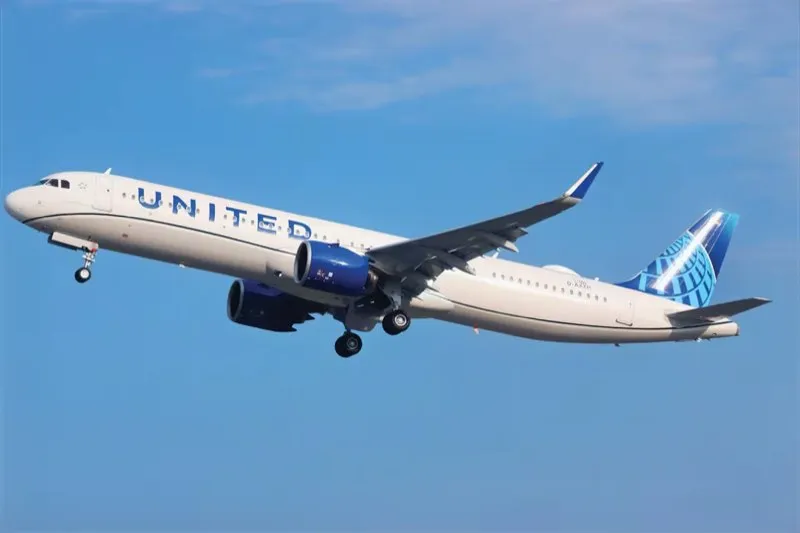
United MileagePlus remains one of the most important airline programmes in North America, but not the one travellers learned years ago. The network is formidable, Star Alliance access matters, Chase-linked earning keeps the currency relevant. Published-chart comfort is gone, status economics moved to PQP and card-linked qualification, and using MileagePlus today is more tactical than romantic.
That is not bad news. It just means the programme needs to be explained honestly. MileagePlus in 2026 is best understood as a practical Star Alliance tool, a useful non-expiring currency, and a programme that rewards people who search live prices carefully instead of memorising sweet spots from another era.
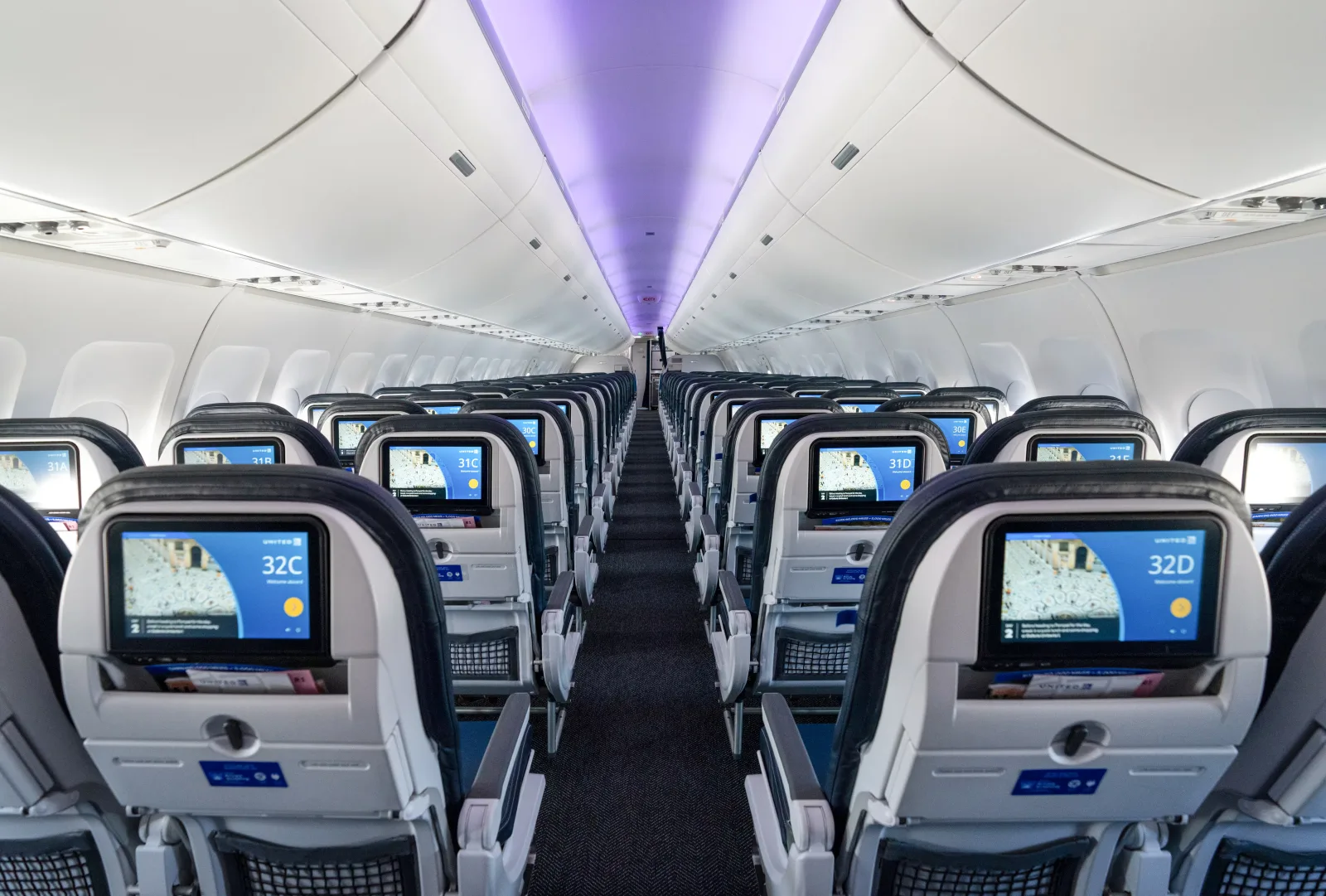
United matters because Star Alliance matters. Even if the programme's own pricing has become less predictable, MileagePlus still sits at the centre of one of the deepest global airline networks. For a U.S.-based traveller who wants reach, backup routing options, and a loyalty home with strong alliance relevance, that is still powerful.
It also matters because MileagePlus miles do not expire. United formally ended mileage expiration years ago, and that remains a meaningful consumer advantage. A non-expiring balance is not automatically a high-value balance, but it is a more forgiving one, coverage of the original 2019 change at The Points Guy remains a useful primer for anyone weighing currency portability.
Modern Premier status is built around Premier Qualifying Points, with an optional Premier Qualifying Flights path and a minimum United-operated or United Express flying requirement. That is the framework travellers need to understand, not old segment-counting or distance-driven logic.
For 2026 qualification, United held its thresholds steady rather than raising them, a notable choice given that Delta moved sharply higher in 2024. The published 2026 thresholds are:
The two-path system matters because the PQP-only route is harder than the hybrid path but achievable for members who concentrate card spend rather than flying. Coverage from The Points Guy confirmed that prior-year Premier members also received a PQP head-start deposit at the start of 2026: 300 PQP for Silver, 600 for Gold, 900 for Platinum, and 1,400 for Premier 1K.
United's current card pages also make clear that co-branded cards are now part of the qualification story. Current public card materials show that:
That matters because modern United status is no longer just about the flights you take. It is about how flights, card spend, and programme design combine.
The familiar ladder remains: Premier Silver, Premier Gold, Premier Platinum, and Premier 1K, with Global Services sitting above as the invitation-only world.
Silver is a useful entry tier, especially for Economy Plus access timing, bags, and basic airport convenience. It is often enough to make a frequent domestic traveller feel the programme in a meaningful way.
Gold is where the international value becomes much more obvious because that is where the Star Alliance Gold experience becomes relevant. For many readers, Gold is the realistic sweet spot between effort and reward.
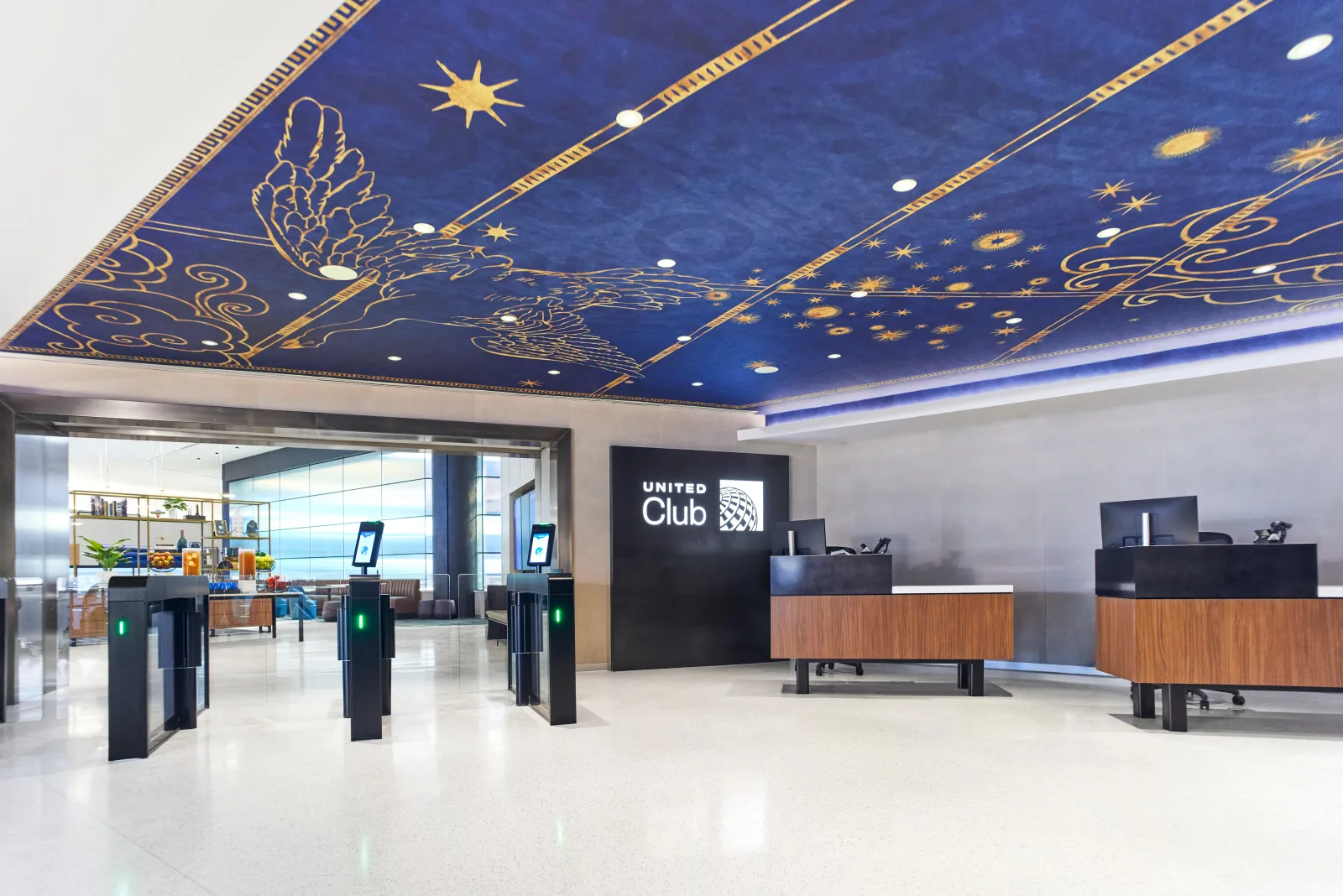
These tiers matter for people with serious United volume. Upgrade priority, PlusPoints logic, and deeper recognition improve meaningfully, but this is also where bad loyalty economics can creep in if you are forcing spending to chase a tier your natural travel pattern would never support.
One correction belongs here plainly: Premier 1K should not be sold as if it comes with a generic Priority Pass benefit. That is not a defensible modern description of the programme.
United's current card pages make clear that card-linked earnings and Premier-related enhancements are central to how the programme now functions. MileagePlus is not just a flying currency anymore. It is a broader United ecosystem currency.
For many U.S.-based readers, MileagePlus remains strategically relevant because it is easy to feed through Chase Ultimate Rewards. That keeps United in the conversation even for people who are not die-hard United flyers year-round, and resources at AwardWallet document the transfer math in detail.
Current United card pages market award savings on United-operated flights for cardmembers, which means the smartest MileagePlus strategy increasingly depends on understanding not just the airline but the combined airline-and-card ecosystem.
The older version of MileagePlus thinking was simple: learn a chart, memorise the good prices, and wait. The modern version is not that. United's own award pricing is dynamic, and partner redemption planning is no longer well explained by pretending there is a clean public chart doing all the work.
The best way to use MileagePlus in 2026 is to search live pricing, compare the itinerary against alternative programmes when possible, and move only when the actual booking makes sense. MileagePlus can still be useful. It just no longer rewards blind certainty.
United becomes much more compelling when you remember that it is a Star Alliance tool. Even when its own metal pricing feels ordinary, the broader network often keeps the currency relevant. Long-running coverage at One Mile at a Time has documented how partner-award sweet spots persist even as United's own redemption pricing drifts.
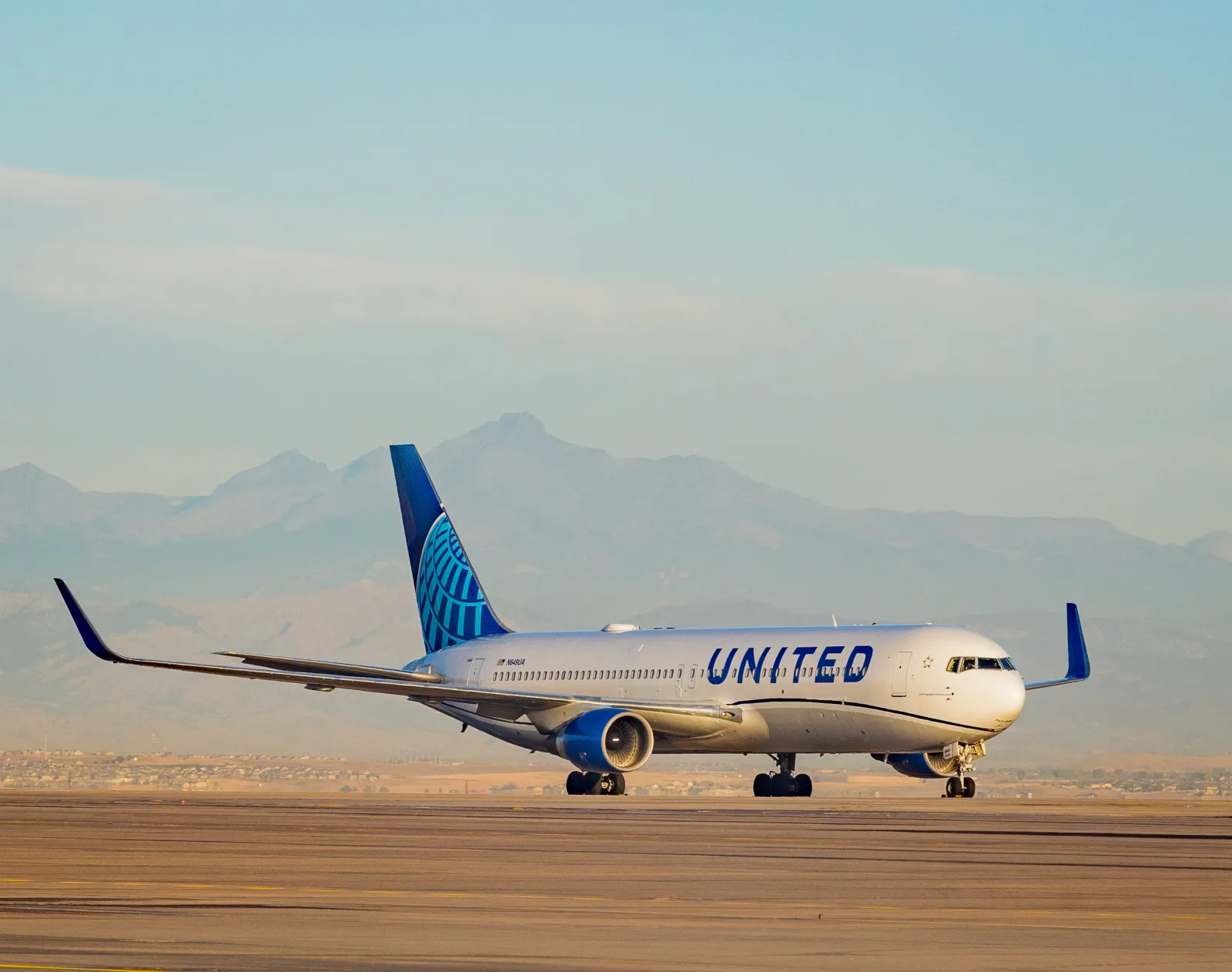
United did something during the pandemic that very few airlines have ever done: it told the world exactly what its loyalty programme is worth. In June 2020, with the carrier desperate for liquidity, United collateralised MileagePlus as security for a $5 billion loan backed by Goldman Sachs, Barclays, and Morgan Stanley. The required disclosures gave outside analysts the cleanest public view ever of an airline-loyalty programme's economics. The original SEC filing and analysis at View from the Wing remain the best primer.
The numbers United disclosed for 2019:
The 2026 ranking at Aerospace Global News now estimates MileagePlus at $25.3 billion. That is more than United's market capitalisation has been during multiple periods over the past five years. It tells you something important: when you redeem MileagePlus miles, you are not redeeming against an airline's flight inventory in any conventional sense. You are redeeming against the obligation that the airline has separately monetised by selling miles, mostly to Chase, for roughly two cents apiece. The asymmetry between what United is paid for miles ($0.02) and what travellers can extract in value (typically $0.012-$0.015) is the entire business model.
That asymmetry is also why the programme is structurally biased toward members who feed it through Chase rather than through flights alone.
One of the largest negative changes United has ever made to MileagePlus took effect on August 21, 2025. The carrier eliminated the Excursionist Perk on all new award bookings and on changes to existing bookings, and it formally ended stopovers on award tickets. Coverage at UpgradedPoints and One Mile at a Time documented the change in detail.
The Excursionist Perk had allowed members to add a free one-way intra-region segment to a multi-region award booking, which produced some of the most valuable redemptions in the entire MileagePlus universe. A North America to Europe round-trip with an open-jaw plus a free intra-Europe segment was one of the most consistently exploitable bookings in commercial loyalty. That option no longer exists.
The same August 2025 update also eliminated the published upgrade award chart, replacing it with dynamic upgrade pricing that is consistently more expensive than the old chart for premium-cabin upgrades on long-haul routes. Members who held PlusPoints balances for upgrades found their effective purchasing power cut materially overnight. For travellers planning 2026 redemptions, the practical effect is that MileagePlus is now harder to use creatively than at any point since the programme moved to dynamic pricing in 2019.
PlusPoints replaced United's old Global Premier Upgrades and Regional Premier Upgrades system in 2020 and remain one of the more useful Premier benefits. They are issued only at higher tiers: 40 PlusPoints at Premier Platinum and an additional 280 PlusPoints at Premier 1K (320 total when you reach 1K). Members earn additional PlusPoints at higher PQP milestones beyond 1K qualification.
The mechanics: PlusPoints "spend" against confirmed upgrade requests, with the cost per upgrade depending on the cabin and route. A domestic upgrade typically costs 20 PlusPoints. A short-haul international upgrade costs 30. A long-haul transatlantic or transpacific business-class upgrade costs 40. The intricate detail at Frequent Miler's MileagePlus complete guide walks through every cell of the cost grid.
The frustration is that, since the August 2025 devaluation, the inventory of confirmable PlusPoints upgrade space has narrowed. Many members report that the upgrade tool now returns "no availability" on routes where availability was previously reliable. That is a soft devaluation as material as any explicit award-chart change.
MileagePlus remains a useful programme for searching Star Alliance award space because the United website displays partner availability cleanly without requiring a member account. Even when United's own metal pricing is unattractive, partner redemptions through MileagePlus often still produce defensible value. The current best uses:
Lufthansa first class space, however, opens to MileagePlus only inside 14-15 days before departure. SWISS first class is barely available to partner programmes at all. Singapore Airlines premium-cabin awards through MileagePlus exist mostly in economy, with business class typically restricted to KrisFlyer members.
United is one of only a few large U.S. airlines that still offers a meaningful lifetime status path. The mechanic is simple: 1,000,000 lifetime miles flown on United-operated metal grants lifetime Premier Gold status. Subsequent thresholds add lifetime status at higher tiers. Members can also designate one companion to share their current lifetime status, which is unusually generous.
"Lifetime miles" in this context means actual butt-in-seat distance flown on United-operated flights only, not award miles or partner flights. Reaching the threshold requires roughly 200 transcontinental U.S. flights or 60-70 transatlantic round-trips. It is not a target you chase. It is a status that accumulates if you fly United regularly for a decade or more. For travellers in that pattern, it remains one of the strongest residual reasons to consolidate flying on United rather than spreading across Star Alliance partners.
United MileagePlus in 2026 is less elegant than it once was, but still highly relevant. It remains a useful non-expiring currency, a major Star Alliance access point, and a programme whose value increasingly sits at the intersection of flying, cards, and live award search rather than static chart memorisation.
If you understand that shift, MileagePlus still earns its place in a serious traveller's toolkit.
Programme rules verified against the official sources below. External sites open in a new tab.
See your requalification forecast in under a minute. No account, and never a loyalty password.
Forecast my status, free →Share
Last reviewed: · How we research and update
Star Alliance in 2026: the live 26-airline roster, Silver and Gold benefits, the best programmes to hold, and how to use the alliance witho…
Read article →Lufthansa Miles & More 2026: the modern Points, Qualifying Points, and HON Circle system, current status thresholds, and why the programme …
Read article →American AAdvantage in 2026: Loyalty Points, status thresholds, Loyalty Point Rewards, systemwide upgrades, and where the programme still s…
Read article →Chase Ultimate Rewards transfer partners in 2026: the 13-partner roster, which programmes deserve attention, and when to transfer versus st…
Read article →