Award Space and Dynamic Pricing in 2026
A 2026 guide to award availability and dynamic pricing: how airlines actually release award seats, and how to search for them more intellig…
Read article →Independent Miles Mosaic guide. No programme partnerships, no account linking, no scraped balances. Sources cited below; corrections welcomed.

The best ultra-long-haul award article in 2026 is not the one with the most seductive mileage numbers. It is the one honest enough to tell you a "sweet spot" is no longer a chart number, but a combination of access, pricing, taxes, transfer paths, and the probability of finding a seat first. Tools like Seats.aero made that unevenness visible.
That may sound less romantic than a list of miracle redemptions. It is also more useful. The longest premium flights in the world still create extraordinary value when booked well. But the era of treating those opportunities as static trivia is over. If you want a credible ultra-long-haul strategy now, think in frameworks, not fantasy prices.
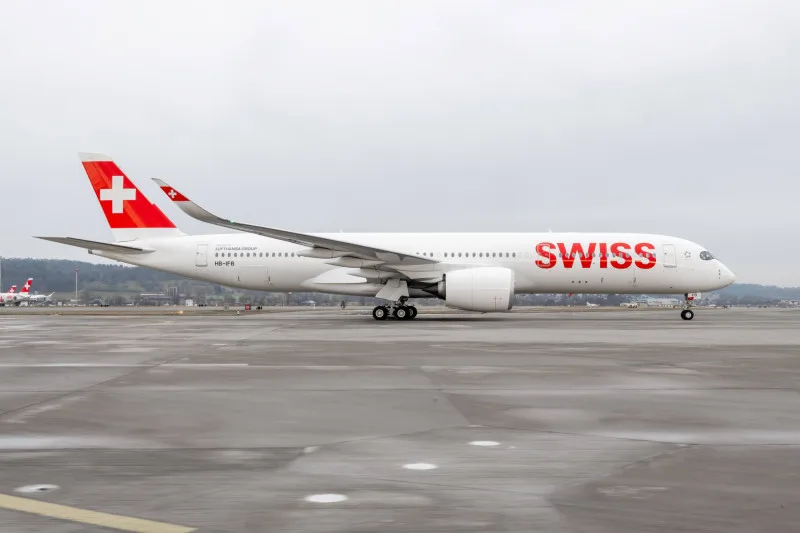
Ultra-long-haul premium awards remain special for one simple reason: the cash alternative is usually painful. The routes that keep loyalty strategists awake at night are the ones where premium cabins are expensive, physically valuable, and emotionally memorable. Think nonstop or near-nonstop Asia-U.S. routes, long Pacific crossings, Doha-linked North America or South America itineraries, and the flagship transcontinental segments that airlines most want to monetise.
When a redemption replaces a very high business-class or first-class fare, the upside remains substantial. That part has not changed. What has changed is how carefully you need to choose the currency used to access that value.
Older mileage writing often defined a sweet spot as “route X for Y miles.” That approach breaks too easily now. A current sweet spot should be judged across five questions:
If an article cannot answer those questions, it is not really describing a sweet spot. It is reciting history.
Singapore Airlines remains central to ultra-long-haul premium strategy for one reason above all: if you want Singapore Airlines' most desirable premium-cabin products, KrisFlyer is still the most direct and often the most necessary path. That remains true even after the award-rate adjustments that took effect for tickets issued from November 1, 2025.
Those changes matter. They mean older KrisFlyer articles often understate current mileage requirements. But the programme still matters because the product matters. On routes where Singapore Airlines is the experience you are actually targeting, outside workarounds are usually weaker than they first appear.
The real sweet spot here is not “KrisFlyer is always cheap.” It is that KrisFlyer remains the most defensible tool for accessing a product many readers genuinely cannot reproduce through partner arbitrage.
ANA remains strategically important because it still lives closer to the published-chart world than many rivals. That does not make it easy, and it does not mean every ANA redemption is underpriced. What it does mean is that the programme still rewards disciplined planning in a way fully dynamic programmes often do not.
This matters particularly on very long Asia-Europe and Asia-North America itineraries, and in any planning environment where predictability is worth almost as much as raw mileage cost. A programme with structure can still create better long-run value than one with superficially lower prices that move around constantly.
If KrisFlyer is the own-metal specialist and ANA is the structure specialist, Aeroplan and LifeMiles remain important because they are often the partner pragmatists.
Why do they still show up in serious ultra-long-haul strategy?
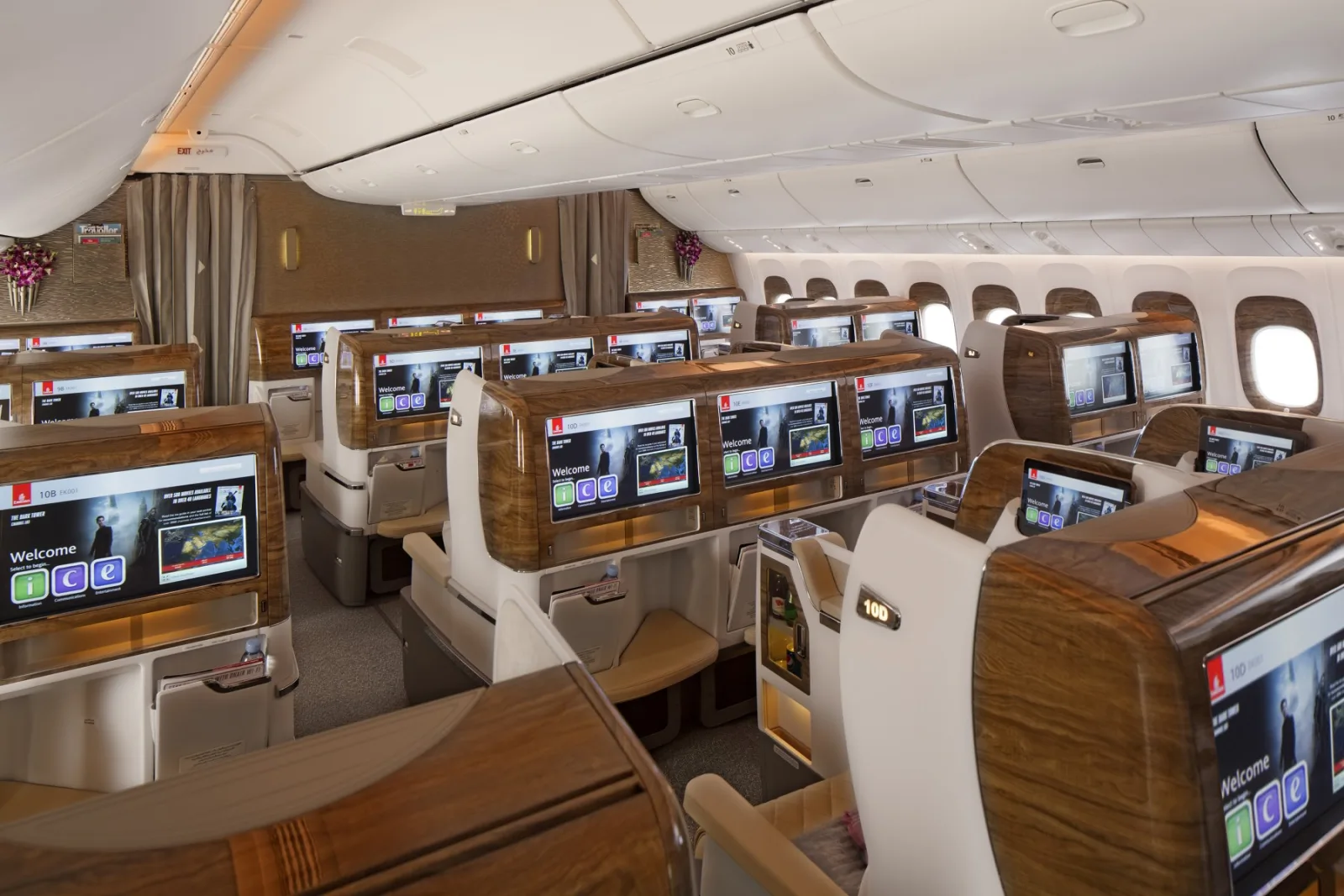
That does not mean they are magical. Award search friction, partial availability, and odd married-segment behaviour still matter. But if your real goal is simply to get into a long-haul Star Alliance premium cabin on sensible overall terms, these programmes remain central tools.
Qatar's Privilege Club remains relevant because the programme's current calculator and Avios-based logic still allow serious travellers to model value through Doha. The programme matters most when your route is naturally Qatar-shaped: Europe to Asia, Europe to Africa, Middle East to North America, and other long-haul or near-ultra-long-haul flows where the carrier's premium product is itself a large part of the appeal.
The sweet spot here is not just a cabin. It is the combination of strong product, workable Avios access, and the ability to price routes that fit the Qatar network naturally. When articles ignore that network geometry and just throw a few mileage figures around, they miss what actually makes the programme useful.
Flying Club still belongs in ultra-long-haul strategy, but only when used carefully. It is best thought of as a situational access tool rather than a universal long-haul answer. For the right partner and the right availability pattern, it can be excellent. For lazy speculative planning, it can be frustrating.
This is the broader point: some programmes deserve space in the strategy not because they are always best, but because when the stars align they can outperform more obvious currencies.
Every reader who has been collecting miles for more than a few years has watched a famous sweet spot evaporate. The pattern is consistent enough to be predictable.
Singapore Airlines used to be the easy example. For years, KrisFlyer Suites awards out of Frankfurt were the most romantic redemption in the hobby; the cabin was unmatched, the price was almost reasonable, and the seats were genuinely findable for solo travellers willing to be flexible. The November 1, 2025 KrisFlyer revisions raised Suites and Business Advantage rates by 10%–18% on the most useful zones and introduced an opaque dynamic-award overlay on top of the published chart. The product is still extraordinary. The redemption is no longer a sweet spot in the older, plug-and-play sense.
ANA's June 24, 2025 changes followed the same script. Round-the-World awards, long the most generous low-cost route into J and F across half the globe, were retired entirely. Peak-season First Class roundtrips moved to 300,000 miles. The published chart survived, but the redemption shape that made ANA famous did not.
Lufthansa Miles & More repriced its own-metal awards onto variable mileage on June 3, 2025. American Express dropped its U.S. Cathay Pacific transfer ratio to 5:4 on March 1, 2026. Even Avios, long the workhorse of short-haul value, has now repriced enough partner awards to make the old "4,500 Avios LHR-DUB" reflex unreliable.
The lesson is not that the industry is hostile. It is that revenue management is now actively patrolling for sweet spots, with much more data and much faster reaction times than a decade ago. The half-life of a published-chart sweet spot is shorter than most blog posts acknowledge. That is exactly why a framework-first approach beats a static list of "must-book" deals.
With those caveats, here are the four sweet spots that remain genuinely useful as of May 2026.
Turkish Airlines still publishes a fixed partner chart that prices U.S.–Europe business class at 45,000 miles one-way on Star Alliance metal, the most aggressively priced transatlantic business award in the industry. The Points Guy, Frequent Miler, and Upgraded Points all still confirm the rate at the time of writing. The caveats are real: the Miles&Smiles website is famously brittle, calls to Istanbul are sometimes required to ticket awards, and surcharges on certain partners can blunt the math. But when the booking lands, the price is half of what United MileagePlus charges on the same routings, and the partner inventory is meaningful.
Flying Blue publishes a new Promo Rewards list on the first of every month, knocking 25% off select Air France and KLM awards. May 2026 Promo Rewards included North America–Europe economy from 18,750 miles one-way and Premium Economy from 30,000 miles, with booking deadlines running through May 31 for travel through October. Because Flying Blue accepts transfers from every major U.S. bank programme as well as multiple European cards, the funnel is one of the broadest in the industry. The discipline is showing up on the first of the month, every month, until the promo matches your geography.
Even after Aeroplan's June 1, 2026 chart change pushed long-haul partner business class up roughly 15%–25%, the fixed distance-based structure still rewards disciplined planners. North America–Europe business class on partners like Lufthansa and Air Canada still prices competitively on the new band, and Aeroplan continues to apply transparent partner surcharges (often less than what Lufthansa Miles & More would charge for the same ticket). The programme is no longer the no-brainer it was in 2022, but it remains the most predictable Star Alliance award currency for transferable points.
LifeMiles still publishes a partial fixed chart and, more importantly, still charges zero fuel surcharges on partner-operated awards. Recent reporting suggests the U.S. East Coast–Europe business award has firmed up around 63,000 LifeMiles one-way (after an August 2024 increase). The headline price is no longer the lowest in the market, but the total out-of-pocket cost on Lufthansa, SWISS, or LOT metal, where Miles & More or BA Avios would add €400+ in surcharges, often makes LifeMiles the cheapest way to land in the cabin.
The headline numbers tell only part of the story. Two of the cheapest mileage prices ride on programmes that pass through carrier-imposed surcharges, and those can add hundreds of dollars to the final bill on Lufthansa or British Airways metal. The right test is not which line is lowest in miles. It is which line is lowest in total cost once surcharges are added to a realistic mileage-cost benchmark.
Ultra-long-haul awards punish superficial comparison. On shorter routes, a member might tolerate a clumsy cash co-pay. On a long premium itinerary, heavy surcharges can destroy the elegance of a redemption quickly.
That is why some old Avios or national-carrier sweet-spot narratives age badly. The mileage number may still look tolerable while the cash component becomes irritating enough to change the answer entirely. A credible 2026 sweet-spot strategy always measures the total bill, not just the mileage headline.
On marquee long-haul routes, schedule-open discipline still matters. If a route is famous enough to be discussed constantly, the saver-level seats are often monitored aggressively too.
Some carriers continue to release premium inventory late when they decide they cannot sell it. This is not reliable enough to build every plan around, but it remains important for flexible travellers.
The same seat can look invisible in one ecosystem and viable in another. This is where transferable points still create most of their magic. Tools like AwardWallet and The Points Guy's monthly valuation tables help travellers compare programmes consistently rather than chasing the lowest mileage headline alone.
Travellers get trapped by overly specific target flights. A good ultra-long-haul strategy knows its alternatives: not just one exact nonstop, but the family of long premium routings that solve the same trip well.
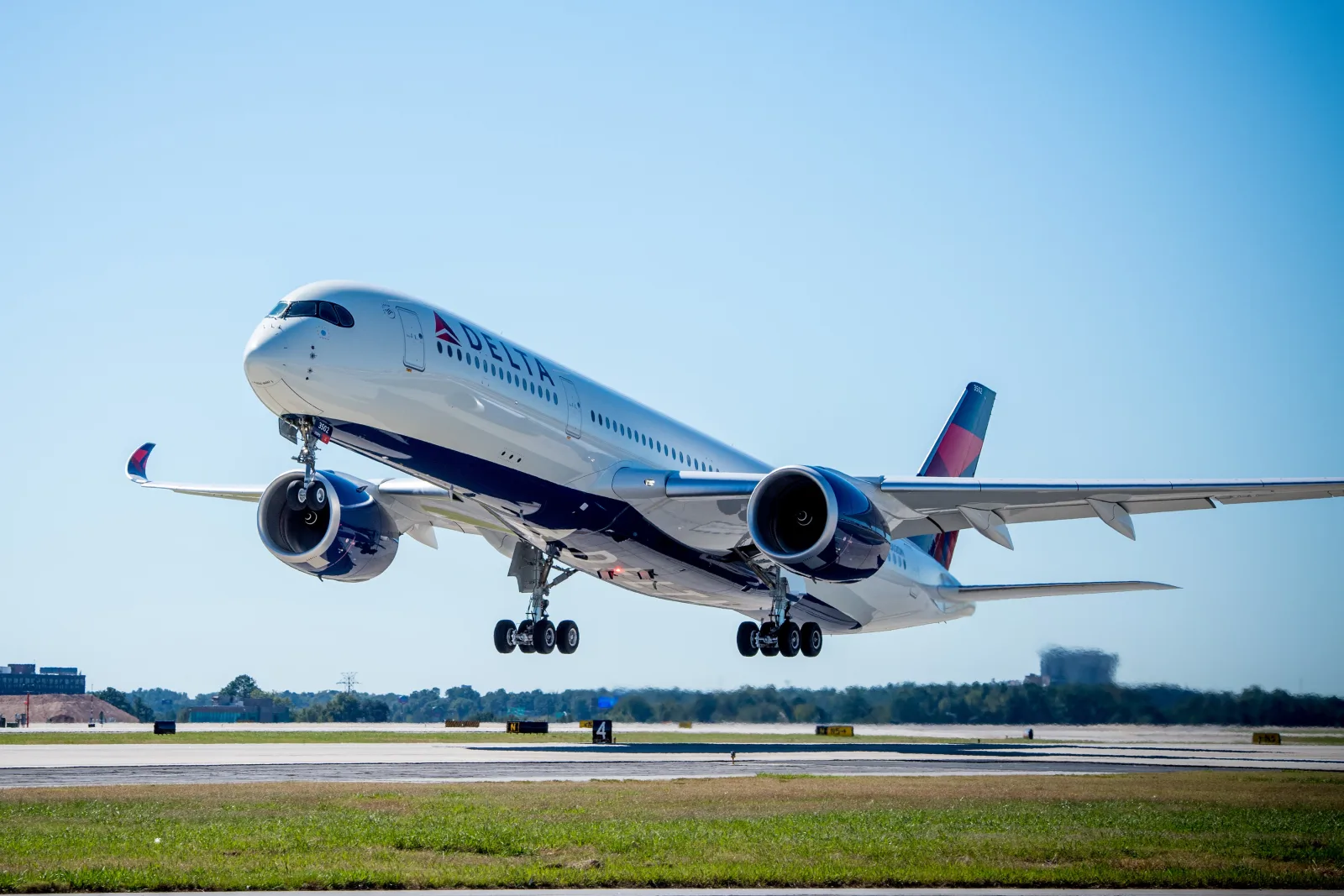
Ultra-long-haul sweet spots still exist, but fewer of them can be described honestly with a single static price tag. The better way to write about them now is to identify which frameworks remain strong.
KrisFlyer remains essential for Singapore Airlines premium aspirations. ANA remains strategically relevant because published structure still matters. Aeroplan and LifeMiles remain partner workhorses. Qatar Privilege Club still matters when the route fits the network naturally. Selected Flying Club partner plays still deserve attention, but only from travellers willing to work with live availability rather than folklore.
The best 2026 ultra-long-haul strategy is not collecting trivia about amazing deals. It is building a toolkit that can still find one when the moment is real.
Programme rules verified against the official sources below. External sites open in a new tab.
See your requalification forecast in under a minute. No account, and never a loyalty password.
Forecast my status, free →Share
Last reviewed: · How we research and update
A 2026 guide to award availability and dynamic pricing: how airlines actually release award seats, and how to search for them more intellig…
Read article →A 2026 comparison of KrisFlyer, Asia Miles, and Avios: expiry rules, redemption strengths, transfer access, and which programme fits which …
Read article →A 2026 guide to buying airline miles: when it makes sense, when it is a trap, and how to evaluate a sale honestly without fooling yourself …
Read article →A calm 2026 read on flying via Emirates, Qatar, and Etihad during the current Middle East conflict: what the airspace picture actually mean…
Read article →