Subscription Loyalty Programs in 2026
A 2026 guide to paid travel memberships: ALL Accor+ Explorer, InterContinental Ambassador, and the wider subscription trend across airlines…
Read article →Independent Miles Mosaic guide. No programme partnerships, no account linking, no scraped balances. Sources cited below; corrections welcomed.

Airline subscriptions are no longer a novelty headline. They are now a distinct part of how carriers package travel value, per Skift's analysis of the airline subscription category. The phrase hides a problem: most products are not selling the same thing. Some are access passes, some route subscriptions, some annual fee-waiver products in smarter clothes.
That matters because the wrong comparison leads to bad buying decisions. A traveller who evaluates easyJet Plus as if it were Frontier GoWild will misunderstand both. A traveller who buys Alaska Flight Pass because it sounds modern, not because it matches their corridor pattern, is buying aesthetics rather than utility.

This is the boldest version. The airline offers unusually cheap repeat flying in exchange for accepting heavy constraints on timing and availability.
This model assumes repeat travel across a defined set of routes. Instead of promising unlimited flying, it sells predictability.
This is the least glamorous and often the most useful. You pay an annual fee to reduce the repeated annoyances of low-cost flying: bag fees, seat fees, boarding friction, or fare-access disadvantages.
Once you see the market that way, the products make much more sense.
Frontier’s GoWild pass remains the most widely recognised airline subscription because it turns air travel into a kind of controlled improvisation. Current Frontier FAQs state that domestic GoWild flights become bookable the day before departure, while international GoWild travel opens starting 10 days before departure. That single detail tells you almost everything you need to know.
This is not a commuter product. It is not even a conventional frequent-flyer product. It is a pass for travellers whose schedules bend to the product rather than the other way around.
For the right person, GoWild can be extraordinary. If your life allows short-notice travel, off-peak departures, and a low need for certainty, the pass can produce genuine savings. For the wrong person, it becomes an expensive membership in a fantasy version of themselves.
The most common analytical error with GoWild is comparing it to published cash fares without pricing the value of reliability. If you need to be somewhere on a specific morning, uncertainty is a cost even before you buy a fallback ticket.
Alaska's Flight Pass remains live in April 2026 and is far more specific than generic “subscription travel” coverage often suggests. Alaska currently markets it as a product for nonstop Alaska Airlines flights within California or between California and Nevada, Arizona, and Utah, with plan pricing starting at USD 69 per month. Current public materials emphasise roundtrip credits, 12-month commitments, a 14-day advance-purchase structure, and continued earning in Atmos Rewards.
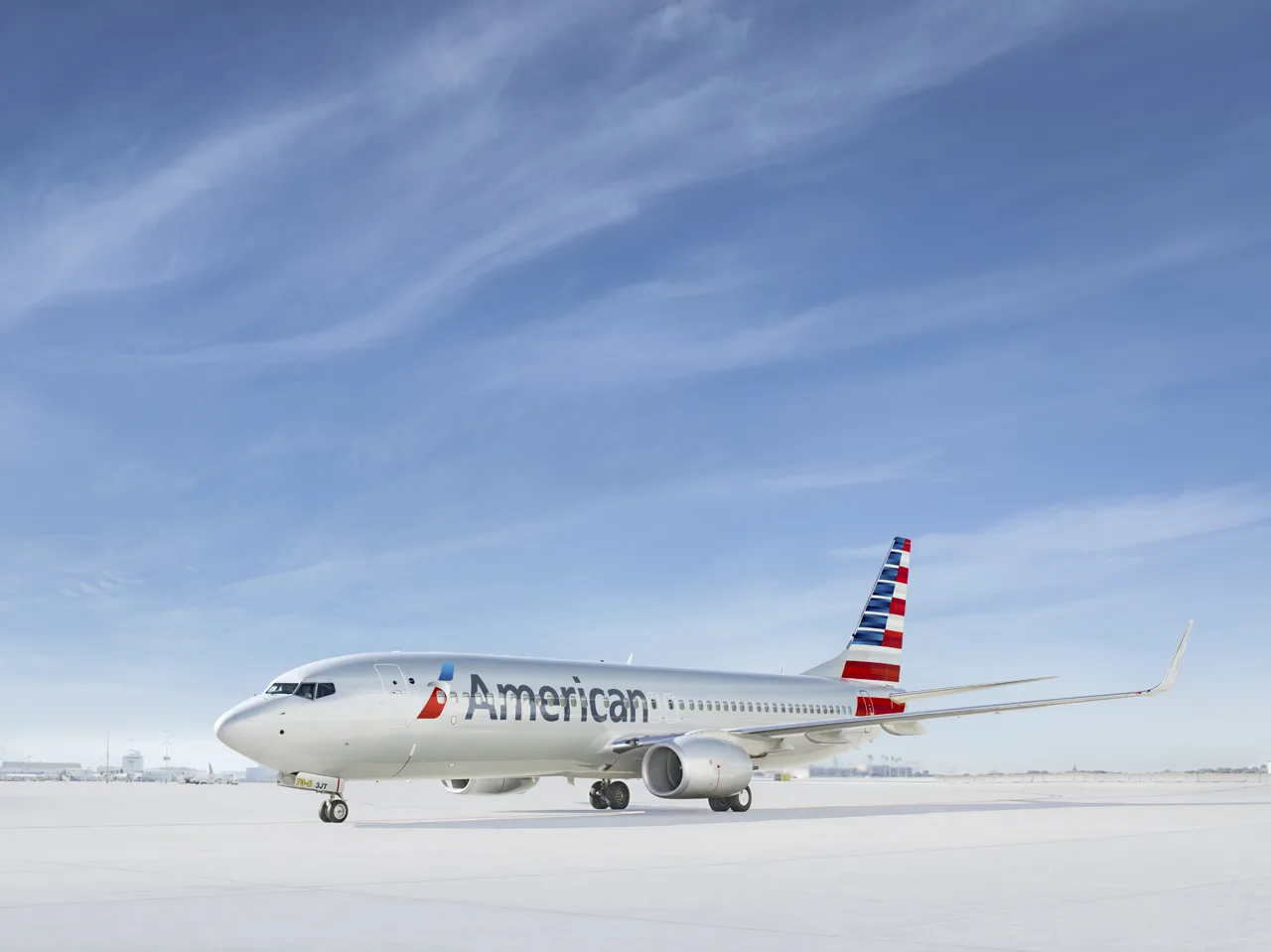
That is not broad travel freedom. It is a calibrated route product for people who regularly move inside a defined western network.
This is why Flight Pass can be highly rational for one reader and irrelevant for another. If you routinely move between San Francisco, Los Angeles, San Diego, Las Vegas, Phoenix, or Salt Lake City, a structured subscription can make real sense. If your travel pattern sits outside that map, the product is not underwhelming. It is simply not for you.
In some ways, Alaska’s product is more honest than the unlimited-flying mythology around other passes. It sells predictability rather than romance.
European low-cost subscriptions are often easier to justify because they attack repeat nuisance costs directly.
Current easyJet materials position easyJet Plus as a premium annual membership, and recent airline communications show the normal price at GBP 249. The core value proposition is not “status.” It is operational convenience: large cabin bag allowance, Speedy Boarding, premium seat selection, and airport process relief.
If you fly easyJet enough, this becomes a clean arithmetic exercise. If you do not, it becomes a very expensive way to feel organised.
Wizz Air's Discount Club model remains more explicitly transactional. Current public Wizz materials still describe EUR 10 discounts on eligible fares from EUR 29.99 and EUR 5 discounts on checked baggage booked online, with versions that cover the member and companions. That makes Wizz easier to value than many articles admit. It is not mainly about prestige. It is about repeated small wins.
Products like this work best when you fly enough segments for the savings to compound. They fail when travellers join because the membership feels like belonging rather than because the discounts recur often enough.
Spirit's Saver$ Club is almost refreshingly direct. Current Spirit support materials describe USD 69.95 annual membership, member-only fares, and discounts on bags, seats, and other extras. This is not complex loyalty architecture. It is a recurring price-advantage product.
That simplicity is useful. Spirit's model is easy to analyse because the product is not pretending to be more than it is. If you frequently buy Spirit fares and repeatedly pay the same extras, the membership can be practical. If you are only an occasional Spirit customer, there is little mystery here: you probably do not need it. Industry analysts at IdeaWorks have repeatedly noted that ancillary-revenue subscriptions like this one are now one of the highest-margin products in the U.S. low-cost-carrier mix.

There are three reasons this category keeps spreading.
That last point is especially important. Airline subscriptions often capture customers who travel too much to ignore fees, but not enough to build meaningful traditional status. That is a huge middle market.
The economics are more interesting once you sit inside the airline. PhocusWire reporting on the cost of acquiring a travel customer notes that customer-acquisition costs across the travel sector rose roughly 35 percent between 2022 and 2025, while customer lifetime value rose only 4.5 percent. That gap is what subscriptions are designed to attack. A pre-paid annual pass converts an episodic, ad-driven booking funnel into a prepaid book of business. The carrier stops paying Google, Skyscanner, and meta-search for repeat traffic, because the member has already chosen the airline before the trip is contemplated.
Skift Research's analysis of airline loyalty frames it as a defensive move as much as an offensive one. As ultra-low-cost carriers unbundle further and legacy carriers chase premium spend, the middle of the cabin, the casual leisure flyer who used to buy on price alone, gets harder to monetise repeatedly. A subscription with a low marginal cost per flight binds that customer for a year before the next booking decision is even on the table. Frontier executives have been explicit on earnings calls that GoWild's job is to fill late-booking inventory that would otherwise spoil, which is roughly the same logic a hotel revenue manager applies to last-room availability.
The current 2026 lineup is easier to evaluate when the products are placed against each other instead of read in isolation.
| Pass | Headline price | What you actually get | Who it suits | Rough break-even |
|---|---|---|---|---|
| Frontier GoWild Annual | USD 349 promo / 599 standard for 2026-2027 | Unlimited domestic and international Frontier flights at $0.01 fare plus taxes and fees, with domestic seats opening the day before departure and international 10 days before; $99 peak-day surcharge on listed summer holiday dates | Solo, schedule-elastic travellers who can absorb cancellations and reroutes | Roughly 4–6 round trips to clear the promo price after taxes |
| Frontier GoWild Summer | USD 199 (May–September 2026) | Same booking rules as the annual pass, capped at the summer window | Students, gap-month travellers, anyone with one flexible summer to spend | 3–4 summer trips |
| Alaska Flight Pass | From USD 69/month, 12-month commitment | Pre-funded round-trip credits within California or between California and Nevada, Arizona and Utah; 14-day advance purchase; continues earning in Atmos Rewards | West Coast commuters with a predictable route pattern | Depends on plan; useful at 6+ short-haul trips per year |
| easyJet Plus | GBP 249/year (50% off for BA Club status holders to 31 March 2026) | Large cabin bag, fast track at 49 airports, Speedy Boarding, premium seat selection, dedicated bag drop, fare-only Price Promise | UK and European leisure travellers who already pay for extras | ~5 return flights per year with bag and seat selection |
| Wizz Discount Club | From EUR 39.99/year (standard); higher tiers available | EUR 10 off eligible fares from EUR 29.99 and EUR 5 off checked baggage booked online, individual or member-plus-companions | Central and Eastern European frequent short-haul fliers | 3–4 paid segments per year |
| Spirit Saver$ Club | USD 69.95/year | Member-only fares, discounted bag and seat fees, partner add-ons | Florida and Caribbean leisure flyers buying multiple Spirit segments a year | 2–3 trips with checked bags |
The point of the table is not to crown a winner. It is to make the categorisation visible. The two Frontier products are economic bets on flexibility, the Alaska product is a corridor commitment, and the three European-style fee-relief products are arithmetic exercises in unbundling. Nothing in the table changes that.
The category did not stand still after its 2023 breakout. Frontier's November 2025 press release introduced explicit USD 99 peak-day surcharges for summer holidays such as Memorial Day weekend, the late-June peak, the Fourth of July run, and Labor Day. The pass is still nominally unlimited, but the carrier has now priced the days when seats are scarce. That is a meaningful softening of the original "all you can fly" promise, even if the upfront cost stayed around USD 349 on the launch promotion. A separate April 2026 announcement brought back a USD 199 Summer Pass, which is essentially a half-year sampler aimed at the seasonal leisure market.
easyJet's price arc tells a different story. The membership fee crept from GBP 149 a decade ago to GBP 249 today, an increase covered closely by UK travel-points publications. Head for Points reported in March 2026 on a targeted 50 percent discount aimed at British Airways Club status holders, valid through 31 March 2026, a quiet but pointed attempt to peel off premium passengers as BA recalibrates its own product. The Price Promise has also been narrowed to fare only, no longer applying to bags or extras.
No major new full-service carrier launched a comparable product in 2025 or early 2026. Lufthansa Group has tested a Miles & More-linked subscription concept in narrow markets but has not rolled it out broadly. Air New Zealand quietly discontinued its short-lived domestic flexipass-style product. The category, in other words, is still dominated by the same six or seven incumbents that defined it two years ago.
Most readers reach for a subscription because they have decided in advance that they want one. That is the wrong order. The honest counter-list matters as much as the case for buying:
That last point is the most common analytical trap. A pass that "pays for itself in two flights" only does so if those two flights were going to happen anyway.
The answer is usually less exciting than the marketing.
The best subscription products are not the most thrilling ones. They are the ones whose restrictions you can genuinely live with.
They do both. They can weaken emotional dependence on miles for everyday comforts, because some passengers now simply buy the convenience directly. But they can also coexist neatly with normal loyalty programmes. Alaska’s Flight Pass, for example, still sits inside a broader airline ecosystem and still interacts with Atmos Rewards. The smartest travellers will often use subscriptions for recurring operational value and bank points or airline miles for outsized redemptive value.
That is the hybrid future: subscriptions for friction, loyalty currencies for leverage. Coverage from Runway Girl Network on the rise of airline subscriptions and ongoing reporting in Airline Weekly both reach a similar conclusion: subscriptions and traditional loyalty are now complementary, not competitive.
The airline subscription revolution is real, but it is not one revolution. It is three overlapping ones: flexible access products, commute products, and fee-relief products. Frontier GoWild remains the headline-maker. Alaska Flight Pass remains one of the most structurally coherent route subscriptions in the U.S. easyJet Plus, Wizz Discount Club, and Spirit Saver$ Club remain the practical workhorses for travellers who are honest about their usage.
The mistake is buying any of them for the wrong narrative. A pass is not valuable because it feels modern. It is valuable because your calendar, routes, and fee exposure make it so.
Programme rules verified against the official sources below. External sites open in a new tab.
See your requalification forecast in under a minute. No account, and never a loyalty password.
Forecast my status, free →Share
Last reviewed: · How we research and update
A 2026 guide to paid travel memberships: ALL Accor+ Explorer, InterContinental Ambassador, and the wider subscription trend across airlines…
Read article →A 2026 guide to the real value of airline and hotel elite status: where it still pays, where it has been diluted, and how paid alternatives…
Read article →A 2026 guide to airline-miles economics: how airlines monetise loyalty, why flying is no longer the main earning engine, and how smart flye…
Read article →A 2026 guide to coalition loyalty and hyper-personalisation: how points now flow across cards, retailers, airlines, and hotels, and what it…
Read article →